Serving Bakersfield, CA, and the surrounding areas




4.8 Rated on Google!
Bakersfield’s Hard Water Problem: Is It Time to Repair or Replace Your Water Heater?


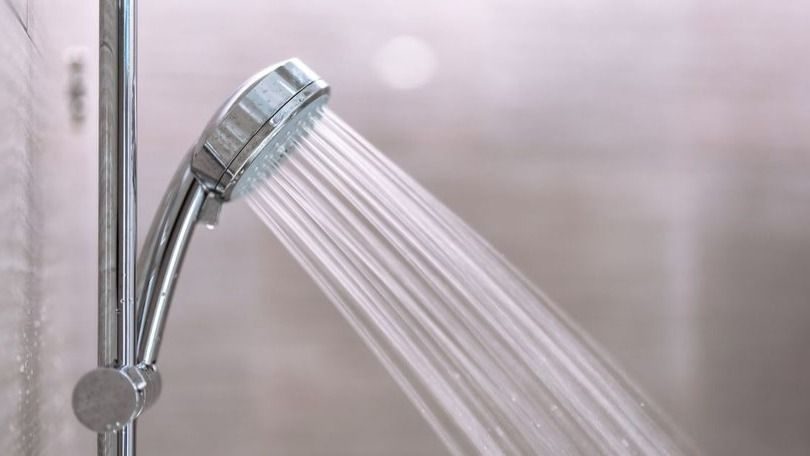
Your water heater starts rumbling every time it runs. Hot water does not seem to last as long as it used to. Maybe you have already paid for one repair and are wondering whether another service call is worth it. For Bakersfield homeowners, another factor is worth considering: water hardness.
Local water-quality data shows that hardness can vary considerably depending on the water source serving your home. Hardness itself is not generally considered a health concern, but the calcium and magnesium associated with harder water can contribute to scale and sediment that affect water-using equipment.
That does not mean every water heater exposed to hard water needs replacement. Age, tank condition, maintenance history, repair costs, and the specific problem all matter.
In this guide, we’ll explain how Bakersfield’s water can affect your water heater, which symptoms may point to mineral buildup, and how to decide whether repairing or replacing your water heater makes more sense.
How Hard Is the Water in Bakersfield?
Bakersfield does not have one universal water-hardness number.
Local water supplies can include groundwater and surface water, and recent water-quality reporting shows substantial differences between sources. Some Bakersfield groundwater measurements fall into harder ranges, while some surface-water measurements are considerably softer.
Water hardness primarily measures calcium and magnesium in the water.
The harder the water, the greater the potential for mineral scale to become a maintenance consideration in equipment that repeatedly heats or uses that water.
Your home’s actual experience may depend on:
-
Which water system serves the property
-
The source of the water
-
Changes or blending within the water supply
-
Whether the home has water treatment
-
The condition and maintenance of the water heater
If mineral buildup is a recurring concern, testing your home’s actual water can provide more useful information than relying on a citywide assumption.
What Does Hard Water Do to a Water Heater?
Hard water can contribute to mineral scale and sediment accumulation inside water-heating equipment.
When water contains calcium and magnesium, heating can encourage mineral deposits to form on surfaces and components. In a traditional tank water heater, material can also accumulate toward the bottom of the tank.
Over time, homeowners may encounter:
-
Sediment collecting in the tank
-
Mineral deposits on components
-
Rumbling or popping sounds
-
Changes in water-heating performance
-
Increased maintenance needs
-
Scale affecting certain internal surfaces
Tankless water heaters are not immune. Their heat exchangers and internal water passages can also require maintenance when mineral scale develops.
Hard water does not guarantee premature water heater failure, but it is one factor worth considering when evaluating maintenance and equipment condition.
What Are the Signs of Hard Water Buildup in Your Water Heater?
Mineral and sediment buildup is hidden inside the equipment, so homeowners often notice symptoms rather than the deposits themselves.
Possible warning signs include:
-
Rumbling or popping during heating
-
Visible sediment during maintenance
-
Changes in hot-water performance
-
Mineral deposits around water connections
-
Recurring scale elsewhere in the home
-
A water heater that requires increasingly frequent attention
None of these symptoms proves hard water is responsible.
For example, inadequate hot water can result from heating elements, thermostats, burners, equipment sizing, or other mechanical problems.
A professional inspection can distinguish a maintenance issue from a failing component or deteriorating water heater.
Can a Water Heater With Hard Water Buildup Be Repaired?
Often, yes. Mineral buildup does not automatically mean the entire water heater needs replacement.
Repair or maintenance may make sense when:
-
The tank itself is in good condition.
-
The water heater is not leaking.
-
The problem involves a serviceable component.
-
Sediment can be appropriately addressed.
-
The equipment has otherwise performed reliably.
-
Repair costs remain reasonable compared with replacement.
The specific component matters.
Replacing a faulty thermostat or heating element on an otherwise healthy water heater is very different from repeatedly repairing an older unit with corrosion, leaks, and declining performance.
This is why diagnosis should come before the repair-or-replace decision.
When Is It Better to Replace a Water Heater Instead of Repairing It?
Replacement becomes a stronger option when the water heater has broader problems that a simple repair cannot reasonably correct.
Consider discussing replacement when:
-
The storage tank itself is leaking.
-
Significant corrosion is present.
-
Repairs have become frequent.
-
Hot-water performance continues to decline.
-
The unit has substantial existing deterioration.
-
Repair costs are becoming difficult to justify.
-
The water heater no longer meets household demand.
-
Parts availability or equipment condition complicates repair.
Age matters, but it should not be the only deciding factor.
Two water heaters of the same age can be in very different condition based on water quality, installation, usage, maintenance, and equipment design.
A professional evaluation can help determine whether you are fixing an isolated problem or spending more money on equipment nearing the end of its useful life.
Does a Rumbling Water Heater Need to Be Replaced?
Not necessarily. Rumbling and popping can occur when sediment accumulates at the bottom of a tank. As the water heater operates, water and heat interacting with those deposits can create noticeable sounds.
Noise alone does not tell you whether the unit should be repaired or replaced.
A relatively healthy water heater with manageable sediment may need maintenance. An older unit that rumbles while also leaking, corroding, or struggling to provide hot water presents a different situation.
Pay attention to what is happening alongside the noise.
Rumbling combined with declining performance or other signs of deterioration deserves a closer inspection.
Can Flushing Fix a Water Heater With Sediment Buildup?
Flushing is a common maintenance procedure intended to remove accumulated material from a tank water heater.
Whether it will solve the problem depends on the condition of the equipment and extent of the buildup.
Regular maintenance may help manage sediment before deposits become extensive. Long-neglected tanks can be more complicated.
Before attempting to flush an older water heater with an unknown maintenance history, consider factors such as:
-
Tank age
-
Evidence of corrosion
-
Existing leaks
-
Drain valve condition
-
Previous maintenance
-
Manufacturer recommendations
-
Severity of the symptoms
Flushing also cannot repair a leaking tank or correct every mechanical problem.
If you are unsure about the equipment’s condition, have a professional evaluate the water heater before assuming sediment removal is all it needs.
How Does Water Heater Age Affect the Repair-or-Replace Decision?
Age provides context, not an automatic expiration date.
Manufacturers, models, maintenance histories, and operating conditions vary. Instead of replacing a water heater solely because it reached a particular birthday, consider its overall condition.
Ask:
-
Has the tank started leaking?
-
Is corrosion visible?
-
How often has the unit needed repairs?
-
Is hot-water performance still reliable?
-
Has the water heater received regular maintenance?
-
How expensive is the current repair?
-
Does the unit still meet your household’s needs?
A relatively young water heater with one failed serviceable component can be a good repair candidate.
An aging unit with recurring problems, extensive deterioration, and another costly repair estimate may make replacement the better investment.
Should You Consider a Tankless Water Heater in Bakersfield?
If replacement is already necessary, a tankless water heater may be one option to consider.
Tankless systems heat water as it is needed rather than maintaining a large stored supply. They can offer advantages depending on household demand, available utilities, installation requirements, and homeowner priorities.
However, tankless does not mean maintenance-free in hard water. Minerals can accumulate inside a tankless heat exchanger and water passages. Depending on water conditions and the manufacturer’s instructions, periodic descaling may be important.
Before choosing tankless, consider:
-
Household hot-water demand
-
Existing gas or electrical infrastructure
-
Installation requirements
-
Water quality
-
Maintenance expectations
-
Equipment and installation costs
The right choice is the system that fits the home, not simply the newest technology.
How Can Bakersfield Homeowners Protect a New Water Heater From Hard Water?
If you replace your water heater, protecting the new equipment starts on day one.
Consider these steps:
-
Learn your home’s actual water hardness.
-
Follow the manufacturer’s maintenance instructions.
-
Keep up with recommended tank flushing when applicable.
-
Follow appropriate descaling procedures for tankless equipment.
-
Have the water heater inspected when performance changes.
-
Address unusual noises rather than ignoring them.
-
Maintain any existing water-treatment equipment.
-
Ask whether additional water treatment makes sense for your home’s conditions.
Traditional tank water heaters may require additional maintenance, including inspection or replacement of components such as the anode rod, when appropriate for the model.
Water treatment may also be worth discussing when hardness creates problems throughout the home, not just at the water heater.
Should You Repair or Replace Your Bakersfield Water Heater?
The best decision depends on the equipment’s condition, not just the presence of hard water.
Repair may make sense when:
-
The tank is sound.
-
The problem is isolated.
-
The repair is relatively straightforward.
-
Performance has otherwise been reliable.
-
Significant deterioration is not present.
Replacement may make more sense when:
-
The tank is leaking.
-
Corrosion or deterioration is substantial.
-
Repairs keep occurring.
-
Hot-water performance has declined significantly.
-
The current repair is difficult to justify financially.
-
Your household has outgrown the existing system.
Hard water belongs in that evaluation because mineral buildup can influence maintenance and equipment condition. It should not be the only reason you replace a functioning water heater.
Get the Right Water Heater Solution With Can Do Crew
Bakersfield’s water conditions can create real maintenance considerations for water heaters, particularly where harder groundwater contributes to mineral buildup. But a noisy or underperforming water heater does not automatically need to be replaced.
The smarter approach is to look at the entire picture: sediment, equipment age, tank condition, repair history, hot-water performance, household needs, and your home’s actual water quality.
Can Do Crew can inspect your water heater, identify the cause, and help you compare repair and replacement options. If your Bakersfield water heater is rumbling, struggling to keep up, leaking, or requiring repeated repairs, contact us today to schedule professional water heater service.