Serving Bakersfield, CA, and the surrounding areas




4.8 Rated on Google!
Why Regular AC Maintenance is Crucial for Bakersfield Homeowners During Dust Season


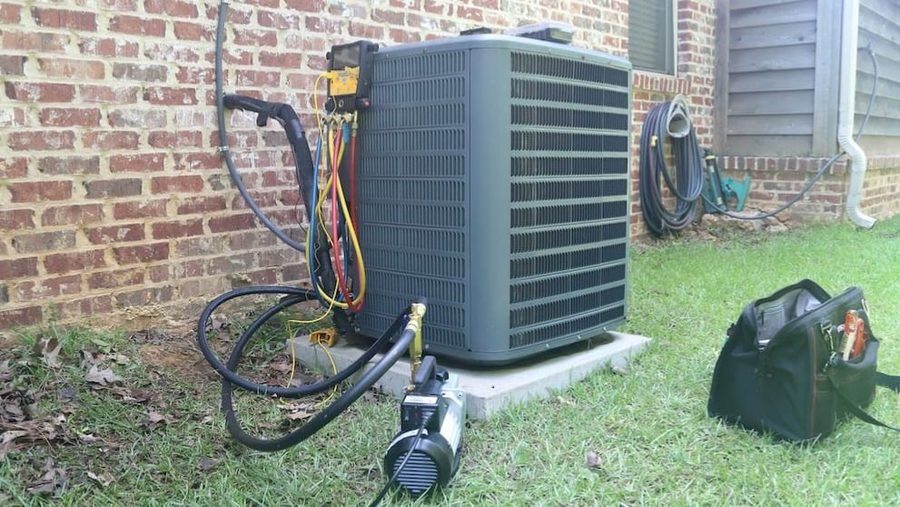
Bakersfield homeowners rely heavily on air conditioning during long stretches of hot weather, but heat is not the only condition that can make an AC system work harder. Dust and airborne debris can load filters, collect on HVAC components, restrict airflow, and reduce how effectively the system moves heat out of the home.
In this guide, you will learn why AC maintenance becomes especially important during dusty Bakersfield conditions, which parts of the system are most affected, and what signs suggest buildup is beginning to hurt cooling performance. Regular maintenance cannot prevent every breakdown, but it can help you spot airflow, cleanliness, drainage, and mechanical problems before peak summer demand makes them worse.
Why Does Dust Make Regular AC Maintenance More Important in Bakersfield?
Dust can affect an air conditioner in several ways. Some debris gets trapped by the HVAC filter, while other material can collect around the outdoor condenser or on internal components. Over time, this buildup can interfere with airflow or heat transfer and contribute to longer cooling cycles.
Dust-related HVAC problems may involve:
-
Filters becoming dirty more quickly
-
Reduced airflow
-
Dust collecting on coils
-
Debris accumulating around the outdoor unit
-
Longer AC runtime
-
Uneven cooling
-
Increased strain on system components
This does not mean every dusty day will damage your AC. The concern is buildup over time, especially when the system is already running hard during Bakersfield’s cooling season.
How Does Bakersfield Dust Affect Your AC Filter?
The air filter is one of the first lines of defense against airborne dust entering the HVAC system.
As air circulates through the return side of the system, the filter captures particles before they reach other components. During dusty periods, the filter may load faster than it does under milder conditions.
A dirty filter can contribute to:
-
Reduced airflow
-
Longer cooling cycles
-
Weak air from supply vents
-
Rooms taking longer to cool
-
Additional strain on the blower
-
More difficulty maintaining the thermostat setting
Homeowners should not rely only on a fixed calendar schedule. A filter that normally looks clean after several weeks may load much more quickly when dust levels are elevated or the AC is running continuously.
Check the filter regularly and replace it with the type and size recommended for your system when it becomes visibly dirty.
Can Dust Buildup on AC Coils Reduce Cooling Performance?
Yes. Clean coils are important because your air conditioner depends on heat transfer to cool the home.
The indoor evaporator coil absorbs heat from indoor air, while the outdoor condenser coil releases that heat outside. Dust and debris on these surfaces can interfere with that process.
When coil performance declines, homeowners may notice:
-
Longer AC cycles
-
Reduced cooling capacity
-
Difficulty reaching the thermostat setting
-
Higher energy use
-
Worsening comfort during the hottest part of the day
The outdoor coil is especially exposed to dust, dirt, grass clippings, leaves, and landscaping debris. Indoor coils can also become dirty if filtration or airflow problems allow material to reach them.
Coil cleaning should be done carefully. Homeowners can keep the area around the outdoor unit free of obvious debris, but professional maintenance is better for deeper cleaning and access to internal HVAC components.
What Happens When Dust Starts Restricting HVAC Airflow?
An air conditioner needs adequate airflow to operate as intended. Even if the cooling equipment can produce cold air, restricted airflow can prevent that conditioned air from reaching the home effectively.
Possible signs of an airflow problem include:
-
Weak air from several vents
-
Uneven temperatures
-
Longer AC runtime
-
Rooms that stay warmer than expected
-
Frequent system cycling
-
Difficulty reaching the thermostat setting
A heavily loaded filter is one possible cause, but it is not the only one. Dirty coils, blower problems, duct restrictions, blocked vents, and return-air issues can create similar symptoms.
That is why changing the filter is a useful first step, but not always the complete solution. If airflow remains weak after installing a clean, appropriate filter, the system deserves a closer look.
Why Does the Outdoor AC Unit Need Attention During Dusty Weather?
The outdoor condenser needs plenty of airflow around the coil to release heat from the home.
Dust, leaves, grass clippings, and other debris can build up on or around the unit, especially when landscaping or dry conditions create airborne material.
Homeowners can help by:
-
Keeping vegetation trimmed back
-
Removing loose leaves and debris nearby
-
Avoiding storage around the condenser
-
Keeping grass clippings from being blown directly onto the unit
-
Watching for visible buildup on the outer surfaces
Avoid aggressive cleaning methods that could bend fins or damage components.
Professional maintenance can address deeper buildup and check whether the condenser is operating properly under load.
Keeping the area around the outdoor unit clear is a simple step, but it can make it easier for the system to move heat efficiently.
What Are the Signs Dust Is Starting to Affect Your AC?
Dust-related problems often show up as changes in system performance rather than one obvious failure.
Watch for:
-
A filter getting dirty unusually fast
-
Weak airflow
-
Longer-than-normal cooling cycles
-
Uneven temperatures
-
AC struggling during afternoon heat
-
Unexpected increases in energy use
-
Reduced cooling performance
-
Unusual noises
-
Frequent cycling
None of these symptoms proves dust is the cause. Mechanical issues can produce many of the same signs.
Maintenance helps a technician determine whether the problem is simple buildup or another component beginning to fail.
Don’t ignore a system that feels different from how it operated earlier in the season just because it is still producing some cool air.
What Should an AC Tune-Up Include During Dust Season?
A thorough AC maintenance visit should look at both cleanliness and system operation.
Depending on the equipment, service may include:
-
Checking or replacing the air filter
-
Inspecting indoor and outdoor components
-
Cleaning coils as needed
-
Checking refrigerant-related performance
-
Clearing the condensate drain
-
Testing electrical and safety components
-
Evaluating thermostat operation
-
Running performance cycles
-
Listening for unusual noises
-
Checking overall cooling performance
The goal is not simply to clean visible dust. Maintenance should confirm that airflow, drainage, controls, and major components are working together properly.
This matters during Bakersfield summers because a minor airflow or electrical issue may become much more noticeable once the system is operating for long periods every day.
Should Bakersfield Homeowners Check Their Filters More Often During Dusty Periods?
Yes. Dustier conditions can justify more frequent filter checks.
How quickly a filter loads depends on several factors, including:
-
Outdoor dust levels
-
How often the AC runs
-
Filter size and design
-
Pets
-
Household activity
-
Construction or remodeling
-
Indoor air conditions
Instead of replacing the filter on an arbitrary schedule, check it often enough to understand how quickly it gets dirty in your home.
Some homeowners may find their normal schedule works year-round. Others may need to inspect filters more frequently during periods of heavy dust or continuous AC use.
Also avoid assuming that the highest-rated filter is automatically best. A filter must be compatible with the HVAC system so it doesn’t create excessive airflow resistance.
Can AC Maintenance Help With Dust Inside the Home?
It can help, but HVAC maintenance cannot eliminate every source of indoor dust.
A properly maintained filter can capture some airborne particles before they circulate through the system, and clean HVAC components can help prevent existing buildup from contributing to airflow problems.
Homeowners can also support indoor air quality by:
-
Keeping doors and windows closed during blowing-dust conditions
-
Using an appropriate HVAC filter
-
Vacuuming and cleaning regularly
-
Addressing duct leakage if present
-
Keeping return vents unobstructed
-
Considering additional indoor air quality equipment when needed
Keep expectations realistic. Dust can enter through doors, clothing, pets, air leaks, and normal household activity.
AC maintenance is one part of managing indoor dust, not a complete solution on its own.
What AC Maintenance Can You Do Yourself, and What Needs a Technician?
Homeowners can safely handle several basic maintenance tasks.
You can:
-
Check the filter
-
Replace the filter with an appropriate type
-
Keep vents clear
-
Remove obvious debris from around the outdoor condenser
-
Watch for unusual sounds
-
Pay attention to changes in cooling performance
Professional service is more appropriate for:
-
Internal coil cleaning
-
Electrical testing
-
Refrigerant-related diagnosis
-
Condensate problems
-
Blower issues
-
Safety-control testing
-
Performance evaluation
-
Mechanical repairs
Avoid opening equipment cabinets or attempting electrical and refrigerant work unless you are properly qualified.
The best homeowner role is regular observation and basic upkeep. Leave technical diagnosis to a trained HVAC professional.
Can Regular Maintenance Help Prevent a Summer AC Breakdown?
Regular maintenance can reduce the chances that a developing problem goes unnoticed, but no maintenance visit can guarantee that an air conditioner will never fail.
The real value is early detection.
A technician may find:
-
A heavily loaded filter
-
Dirty coils
-
Drainage problems
-
Worn electrical components
-
Weak airflow
-
Unusual system operation
-
Other signs of developing trouble
Addressing those issues before Bakersfield’s hottest weather can be much easier than dealing with them after the system stops cooling.
Maintenance is most useful when performed before small problems combine with heavy summer demand.
For homeowners who depend on their AC every day during hot weather, protecting reliability is often just as important as improving efficiency.
Give Your AC a Better Chance Against Bakersfield Heat and Dust
Dust season can make a hard-working air conditioner work even harder. Dirty filters, debris on coils, restricted airflow, and buildup around the outdoor unit can all reduce how effectively the system cools your home.
Regular AC maintenance helps prevent these issues from building up unnoticed. It also gives a technician the opportunity to check drainage, electrical components, controls, and overall system performance before peak summer conditions expose a weakness.
Can Do Crew helps Bakersfield and Kern County homeowners maintain, repair, and replace air conditioning systems built to handle demanding local conditions. If your AC runs longer, airflow feels weaker, or you want to prepare your system for another stretch of hot, dusty weather, contact us today to schedule professional AC maintenance.