Serving Bakersfield, CA, and the surrounding areas




4.8 Rated on Google!
Beyond Duct Cleaning: Advanced Indoor Air Quality Solutions for Bakersfield’s Dust Season


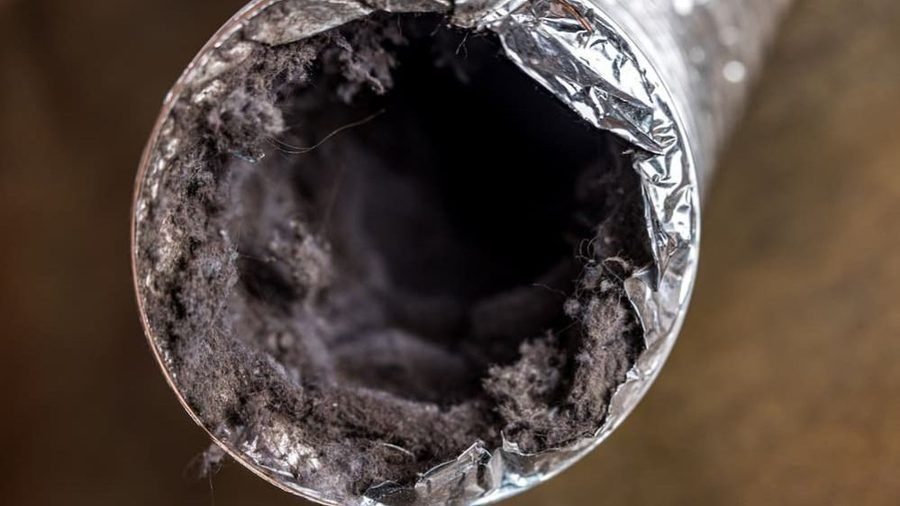
Keeping dust under control can feel like a constant challenge for Bakersfield, California homeowners. Between agricultural activity, seasonal winds, dry conditions, and regional air pollution, airborne particles can still get inside, even when windows and doors stay closed. While regular cleaning helps manage visible dust, it doesn’t necessarily address the smaller particles circulating throughout your home.
Many homeowners consider air duct cleaning when dust becomes a persistent problem. Although duct cleaning can help in certain situations, improving indoor air quality often requires a broader approach that includes HVAC filtration, air purification, ventilation, and controlling pollution sources.
In this guide, we’ll explore why Bakersfield homes experience dust problems, the limitations of duct cleaning, and advanced indoor air quality solutions that can help create a cleaner, more comfortable indoor environment.
Why Is Indoor Air Quality a Concern During Bakersfield’s Dust Season?
Bakersfield’s location in California’s southern San Joaquin Valley creates several challenges for managing airborne particles. Agricultural operations, vehicle traffic, construction activity, and windblown soil can contribute to outdoor dust and particulate pollution.
During dry or windy conditions, particles can enter homes through open doors, windows, ventilation systems, and small gaps in the building envelope.
Fine particulate matter, commonly called PM2.5, presents an additional concern. These particles are small enough to remain suspended in the air and can enter buildings through various pathways.
Unlike larger dust particles that settle on furniture, fine particles may remain airborne for extended periods.
Household dust also comes from indoor sources, including:
-
Fabric fibers: Clothing, upholstery, and carpeting release small particles.
-
Pet dander: Animals contribute skin flakes and other household allergens.
-
Cooking activities: Certain cooking methods generate airborne particles.
-
Everyday movement: Walking and cleaning can redistribute settled dust.
-
Outdoor infiltration: Dust and other pollutants enter through openings and leaks.
Because particles originate both inside and outside the home, eliminating one source rarely resolves every dust problem.
Effective indoor air quality management involves reducing particle entry, capturing airborne contaminants, and limiting indoor pollution.
Why Isn’t Air Duct Cleaning Enough to Improve Indoor Air Quality?
Air duct cleaning removes accumulated dust and debris from accessible HVAC ductwork. In some cases, this service may be appropriate, especially when ducts contain substantial debris, pest contamination, or other issues that need attention.
However, duct cleaning doesn’t address every source of indoor airborne particles. For example, cleaning your ductwork won’t prevent outdoor dust from entering through gaps around windows or doors. It also won’t remove particles continuously generated by cooking, pets, fabrics, and household activities.
The Environmental Protection Agency doesn’t recommend routine duct cleaning as a universal way to improve indoor air quality. Instead, consider duct cleaning when specific conditions justify the service. Even after ductwork is cleaned, inadequate HVAC filtration or leaky ducts can let dust problems continue.
Homeowners experiencing persistent dust should evaluate the entire HVAC system and the home’s potential pollution sources rather than assuming dirty ductwork is the primary cause.
How Can Advanced HVAC Filtration Reduce Indoor Dust?
Your HVAC system circulates air throughout your home, making filtration an important part of managing airborne particles. Standard HVAC filters primarily protect heating and cooling equipment, though many also capture household dust and other particles. Higher-efficiency filters can capture smaller airborne particles, depending on their design and performance rating.
One common measurement is the Minimum Efficiency Reporting Value, or MERV. Higher MERV ratings generally indicate improved particle capture across specified particle-size ranges.
Common residential filtration categories include:
-
MERV 1–4: Basic filtration targeting larger particles.
-
MERV 5–8: Improved capture of common household dust and debris.
-
MERV 9–12: Greater efficiency for smaller airborne particles.
-
MERV 13–16: Higher-efficiency filtration that captures more fine particles.
For Bakersfield homeowners concerned about dust and outdoor particulate pollution, upgrading HVAC filtration may be worthwhile.
However, installing the highest-rated filter available isn’t always the best approach. Some high-efficiency filters increase airflow resistance, especially when they are undersized, poorly designed, or incompatible with the existing system. Restricted airflow can affect heating and cooling performance and potentially place additional strain on equipment.
A qualified HVAC professional can evaluate filter dimensions, system airflow, and equipment requirements before recommending an upgrade.
Are Whole-House Air Purifiers Worth Considering?
Whole-house air-cleaning systems treat air moving through a home’s HVAC system. Depending on the technology, these systems may capture particles, reduce certain odors, or address specific indoor air quality concerns.
High-efficiency media filtration is one option. These systems use specialized filter materials to capture airborne particles as air passes through.
Electronic air cleaners use electrical processes to collect certain particles. Their effectiveness and potential emissions depend on the specific technology and design.
Activated carbon filtration may help reduce certain gases and odors, although performance depends on the type and amount of carbon used.
Some systems also incorporate ultraviolet germicidal technology. UV systems may address certain microorganisms under appropriate operating conditions, but they don’t remove ordinary dust particles. No single air cleaning technology eliminates every type of indoor pollutant.
Homeowners should also be cautious about products that intentionally generate ozone or make unsupported claims about removing all contaminants. Ozone can irritate the respiratory system and shouldn’t be used as a routine indoor air cleaning strategy.
When evaluating whole-house air purification options, consider the pollutants you’re trying to address and whether the technology has independently verified performance information.
What Role Do HEPA Filters and Portable Air Cleaners Play?
High-Efficiency Particulate Air, or HEPA, filtration is another option for reducing airborne particles.
True HEPA filters capture at least 99.97% of particles measuring 0.3 microns under specified testing conditions.
Portable HEPA air cleaners can be particularly useful in bedrooms, living rooms, and other frequently occupied spaces.
Unlike central HVAC filtration, portable units operate independently and can remove additional particles in specific areas.
When choosing a portable air cleaner, homeowners should consider:
-
Room size: Select equipment rated for the space where it will operate.
-
Clean Air Delivery Rate: A higher CADR generally indicates faster particle removal under test conditions.
-
Noise level: Quieter operation may encourage consistent use.
-
Filter maintenance: Replacement intervals and costs affect ongoing performance.
-
Verified specifications: Look for reliable performance information rather than broad marketing claims.
Portable air cleaners can complement central HVAC filtration, particularly during periods of elevated outdoor particulate pollution.
However, conventional residential HVAC systems generally cannot accommodate true HEPA filters without specialized equipment or modifications.
Homeowners should avoid installing incompatible filters that could restrict system airflow.
How Can Home Sealing and Ventilation Improve Indoor Air Quality?
Air filtration works best when combined with strategies that reduce unwanted particle entry. Small openings around windows, doors, and other building components can let outdoor dust in, especially in windy conditions. Addressing these openings may help reduce uncontrolled air infiltration.
Potential improvements include replacing damaged weatherstripping, sealing appropriate gaps, and repairing leaking ductwork.
However, sealing a home without considering ventilation can create additional indoor air quality concerns. Homes still need appropriate ventilation to manage moisture, odors, and indoor pollutants. During periods of poor outdoor air quality, opening windows may introduce additional particles rather than improve indoor conditions.
Homeowners can monitor local air quality information and adjust ventilation practices accordingly.
What Other Indoor Air Quality Improvements Should Bakersfield Homeowners Consider?
Advanced filtration and air purification can help manage airborne particles, but everyday maintenance and cleaning practices remain important.
For Bakersfield homeowners dealing with recurring dust accumulation, a combination of practical improvements may work better than relying on a single product.
Regular HVAC maintenance helps ensure filters are replaced appropriately and equipment operates with sufficient airflow.
Cleaning methods also matter. Vacuum cleaners equipped with effective filtration can capture settled dust while reducing the amount redistributed into the air.
Damp dusting is another useful approach because it collects particles rather than simply moving them between surfaces.
Additional indoor air quality strategies include:
-
Control indoor pollution sources: Reduce unnecessary smoke, strong fragrances, and other avoidable emissions.
-
Maintain appropriate humidity: Address excessive moisture that may encourage mold growth.
-
Use effective vacuum filtration: Capture particles that settle on floors and upholstery.
-
Replace HVAC filters as recommended: Don’t let filters become excessively dirty.
-
Address moisture problems promptly: Repair leaks and investigate persistent dampness.
-
Consider targeted testing: Seek appropriate evaluation when specific contaminants are suspected.
Indoor air quality monitors can provide useful information about certain measured pollutants, but they don’t identify every potential contaminant.
If you suspect mold, combustion-related pollutants, or another specific hazard, professional assessment may be necessary.
Explore Indoor Air Quality Solutions With Can Do Crew
Bakersfield’s dust, seasonal winds, and regional air pollution can make it hard to maintain a cleaner indoor environment. While duct cleaning may help in some situations, lasting improvements often require attention to HVAC filtration, removing airborne particles, ventilation, and household pollution sources.
At Can Do Crew, we help Bakersfield-area homeowners address heating, cooling, and home comfort concerns. Understanding how your HVAC system works and where airborne particles may enter your home is an important first step toward identifying worthwhile indoor air quality improvements.
Whether you’re considering upgraded filtration, evaluating air-cleaning options, or dealing with persistent household dust, professional guidance can help you choose solutions that fit your home. Contact Can Do Crew today to discuss your indoor air quality concerns and explore practical ways to improve comfort during Bakersfield’s dust season.