Serving Bakersfield, CA, and the surrounding areas




4.8 Rated on Google!
Recurring Drain Clogs in Bakersfield: Is Hard Water the Hidden Culprit?


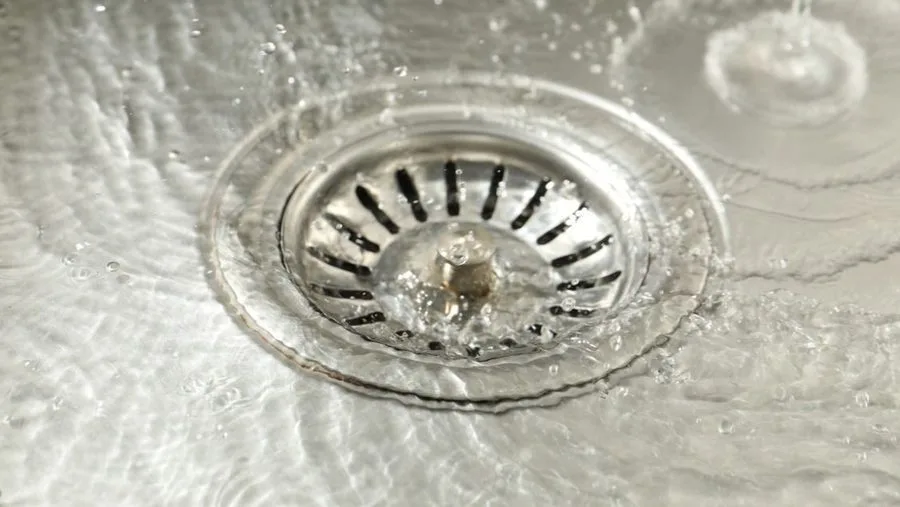
Few plumbing problems are more frustrating than a drain that keeps clogging, especially when you’ve already tried clearing it. Whether your kitchen sink drains slowly, your shower backs up, or multiple fixtures keep clogging, these problems can disrupt everyday life. For Bakersfield homeowners, hard water may be one contributing factor, but it isn’t always the primary cause.
Hard water contains naturally occurring minerals that can accumulate on plumbing surfaces and contribute to certain types of residue. However, recurring drain clogs often result from grease, hair, soap buildup, or issues deeper in the plumbing system.
In this guide, we’ll explore whether hard water contributes to recurring drain clogs in Bakersfield, explain the most common causes of repeated blockages, and discuss when professional drain cleaning may be necessary.
Does Bakersfield Have Hard Water?
Bakersfield’s water supply comes from multiple sources, including groundwater and treated surface water. Because water hardness depends on the concentration of dissolved minerals, levels can vary by neighborhood, utility service area, and individual property.
Hard water contains calcium and magnesium, which enter water naturally as it moves through soil and underground rock formations. These minerals aren’t automatically harmful to drink, but they can create noticeable maintenance concerns throughout a home.
Homeowners in Rosedale, Seven Oaks, Stockdale, Riverlakes, and surrounding Bakersfield communities may experience different water hardness levels depending on their water supply.
Common signs of hard water include:
-
White mineral deposits: Chalky buildup around faucets and showerheads.
-
Water spots: Cloudy marks on dishes and glassware after washing.
-
Soap scum: Stubborn residue on shower doors and bathroom surfaces.
-
Reduced soap lather: You may need more soap or detergent for certain cleaning tasks.
-
Scale accumulation: Mineral deposits may develop inside water heaters and other appliances.
These symptoms can suggest elevated mineral concentrations, but they don’t confirm the cause of a recurring drain clog. Water hardness testing can help determine whether treatment is appropriate for your household.
Can Hard Water Actually Cause Drain Clogs?
Hard water can contribute to certain plumbing problems, but its relationship with clogged drains is more complicated than many homeowners realize. Mineral deposits are generally more common in hot water supply lines, water heaters, and fixtures than in wastewater drainpipes.
When hard water is heated or evaporates, dissolved minerals can form scale on plumbing surfaces. Over time, these deposits may restrict water flow through affected components.
However, a slow-draining sink doesn’t necessarily mean calcium deposits are blocking the drainpipe.
Hard water may contribute to drainage problems through soap scum formation. Calcium and magnesium can react with traditional soaps, producing residue that collects on bathroom surfaces and may build up inside drains.
When this residue combines with hair, dirt, and other debris, it can become part of a larger obstruction.
It’s important to distinguish between several types of buildup:
-
Mineral scale: Hard deposits that form when dissolved minerals accumulate on surfaces.
-
Soap scum: Residue created when soap reacts with hardness minerals.
-
Grease buildup: Cooking fats and oils that collect inside kitchen drainpipes.
-
Hair and debris: Common materials responsible for bathroom drain blockages.
-
Pipe deterioration: Corrosion, rough interior surfaces, or damaged sections that can trap debris.
For Bakersfield homeowners, hard water may contribute to certain deposits, but recurring clogs usually require a closer examination of the drainage system.
What Are the Most Common Causes of Recurring Drain Clogs?
If your drains repeatedly clog, the underlying problem may involve materials accumulating inside the pipes or conditions that prevent wastewater from flowing properly.
Different fixtures tend to develop different types of blockages, so the location of the problem can be an important diagnostic clue.
Kitchen Drain Blockages
Kitchen sinks often build up grease, food particles, and detergent residue. Even small amounts of grease can accumulate over time, especially when combined with other debris.
Hot water may temporarily move grease farther down the drain, but it doesn’t guarantee that the material will leave the plumbing system.
Bathroom Drain Blockages
Bathroom sinks, tubs, and showers commonly collect hair, soap residue, toothpaste, and personal care products. These materials can get trapped around drain components or build up deeper in the piping.
Hard water may contribute to soap-related residue, but hair and other debris are often the more direct causes of bathroom clogs.
Main Drain and Sewer Problems
When multiple fixtures drain slowly or wastewater backs up through a lower-level drain, the problem may involve the home’s main sewer line.
Potential causes include:
-
Tree roots entering damaged sewer pipes.
-
Grease and debris accumulating deeper in the system.
-
Deteriorating or corroded drainpipes.
-
Misaligned pipe joints.
-
Sagging sections that collect wastewater and debris.
-
Foreign objects or other obstructions.
Older Bakersfield homes may have plumbing materials or pipe conditions that contribute to recurring problems. However, a home’s age alone doesn’t mean its sewer line is damaged.
How Can You Tell Whether Mineral Buildup Is Affecting Your Pipes?
Visible mineral deposits around faucets and showerheads may suggest hard water, but they don’t necessarily mean scale is restricting your drainpipes.
Supply pipes deliver clean water to household fixtures, while drainpipes carry wastewater away. These systems experience different conditions and develop different types of buildup.
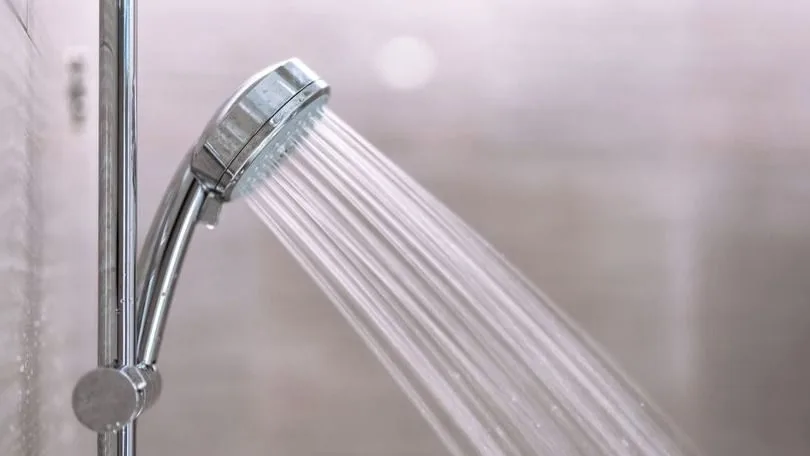
For example, reduced water flow from a showerhead may result from mineral deposits restricting its spray openings. A shower that fills with standing water, however, more commonly indicates an obstruction within the drain.
Warning signs that deserve attention include:
-
Recurring slow drainage after cleaning.
-
Multiple fixtures experiencing drainage problems.
-
Gurgling sounds from drains.
-
Wastewater backing up into tubs or showers.
-
Persistent sewer odors.
-
Repeated clogs in the same fixture.
These symptoms don’t specifically prove that mineral buildup is responsible. They indicate that the plumbing system may need further evaluation.
Water hardness testing can identify calcium and magnesium concentrations, while professional drain inspections can help locate obstructions or visible pipe damage.
Why Do Drain Clogs Keep Returning After Cleaning?
A recurring clog often means the original blockage wasn’t completely removed or the pipe has an underlying condition that encourages debris to accumulate.
For example, a drain snake may create an opening through a grease blockage without removing all the material coating the pipe walls. Water may begin flowing normally again, only for the remaining buildup to trap additional debris.
Recurring clogs can also develop when damaged or misaligned piping creates areas where wastewater slows down.
Tree roots may enter through compromised sewer pipe joints and continue growing after an initial blockage is cleared.
Repeatedly using chemical drain cleaners isn’t ideal because these products may not address the underlying problem and can create safety concerns.
Professional plumbers have several methods for evaluating and clearing persistent blockages.
Common professional drain services include:
-
Drain snaking: Mechanical equipment used to break through or remove certain obstructions.
-
Hydro jetting: High-pressure water cleaning that can remove accumulated debris from suitable pipes.
-
Camera inspections: Specialized cameras used to examine accessible drain and sewer piping.
-
Targeted repairs: Correcting damaged or deteriorating pipe sections when necessary.
Not every drain requires hydro jetting, and older or damaged pipes may need additional evaluation before high-pressure cleaning.
The appropriate solution depends on the blockage, pipe material, and overall plumbing condition.
Will a Water Softener Prevent Recurring Drain Clogs?
A water softener can help address hard water problems, but it shouldn’t be considered a universal solution for clogged drains.
Traditional water softeners remove calcium and magnesium from incoming water through a process called ion exchange. This reduces water hardness and can help limit future mineral scale formation.
Softened water may also reduce certain soap-related residues, potentially making household cleaning easier.
However, a water softener doesn’t remove existing drain obstructions or repair damaged plumbing.
A water softener won’t eliminate problems caused by:
-
Cooking grease accumulating inside kitchen drains.
-
Hair collecting in bathroom plumbing.
-
Foreign objects entering drainpipes.
-
Tree roots growing into sewer lines.
-
Damaged or misaligned pipes.
-
Existing blockages deeper in the drainage system.
For Bakersfield homeowners experiencing both hard water symptoms and recurring drain clogs, separate solutions may be necessary.
Water treatment can address mineral-related concerns, while professional drain cleaning or repairs can address wastewater blockages.
Before investing in equipment, identifying the actual cause helps avoid unnecessary expenses.
How Can Bakersfield Homeowners Prevent Repeat Drain Problems?
Preventing recurring drain clogs starts with understanding what enters your plumbing system and addressing developing problems before they become major blockages.
Simple household habits can reduce the grease, hair, and debris that enter drains.
Helpful drain maintenance practices include:
-
Keep grease out of kitchen sinks. Allow cooking oils and fats to cool before disposing of them in the trash.
-
Use drain strainers. Capture hair, food particles, and other debris before they enter the pipes.
-
Avoid flushing wipes. Even products labeled flushable can contribute to sewer obstructions.
-
Clean accessible drain stoppers. Remove accumulated hair and residue before they cause restrictions.
-
Avoid repeated chemical treatments. Evaluate persistent clogs rather than repeatedly treating them with harsh products.
-
Pay attention to slow drainage. A gradually worsening drain may indicate developing buildup.
-
Consider professional inspection. Repeated blockages may require more than routine cleaning.
-
Test water hardness when appropriate. Address mineral concerns separately from wastewater drainage problems.
Homeowners in Bakersfield, Rosedale, Oildale, and surrounding Kern County communities should also watch for recurring problems involving multiple fixtures. If wastewater backs up into the home, avoid using affected plumbing fixtures until you have evaluated the problem.
Professional diagnosis can help determine whether cleaning, maintenance, or plumbing repairs are necessary.
Get to the Bottom of Recurring Clogs With Can Do Crew
Hard water can contribute to mineral deposits and soap residue, but it isn’t usually the primary reason household drains repeatedly clog. Grease, hair, accumulated debris, and deteriorating plumbing are often more direct causes of persistent drainage problems.
For Bakersfield homeowners, identifying the underlying issue is essential to finding a lasting solution. Can Do Crew helps homeowners address plumbing concerns, including stubborn drain blockages and recurring drainage problems.
If your kitchen sink, shower, or other household drains keep clogging despite repeated cleaning, contact Can Do Crew today. Our team can evaluate the problem, identify potential causes, and recommend appropriate drain-cleaning or plumbing solutions for your Bakersfield home.